
For those following the journey of the ocelots at Elmwood Park Zoo, Rio and Mateo, the path to this moment has been anything but predictable.
After an eventful summer, the pair showed little interest in one another heading into the fall, aside from a brief period in November. As is common with wild cats, breeding behaviors can fluctuate, requiring careful observation and patience from animal care teams.
Keepers closely monitored Rio’s health and behavior, conducting weekly weigh-ins and training sessions to prepare her for potential medical procedures. In early January, staff noticed a slight but notable weight increase, followed by visible physical changes that suggested pregnancy. The timing aligned with the pair’s last interaction in mid-November, consistent with the ocelot gestation period of approximately 79 to 85 days.
Given Rio’s shy temperament, the team adapted its approach to confirm the pregnancy. Rather than relying on ultrasounds, they utilized X-rays — an option that better suited her training and comfort level. The results confirmed early signs of a developing kitten.
With confirmation in hand, the team quickly shifted into preparation mode. Collaboration with the Ocelot Species Survival Plan (SSP) provided both guidance and urgency, as experts indicated the birth could be imminent. The habitat was transformed into a quiet, secure maternal space, complete with remote monitoring systems and modifications designed to ensure Rio’s comfort and safety.
On Feb. 1, Rio went into labor. Despite the challenges of a breech birth, she successfully delivered a healthy kitten in approximately fifteen minutes—an uncommon and remarkable outcome without medical intervention. Following the birth, strict quiet protocols were implemented to minimize stress and allow Rio to bond with and care for her newborn.
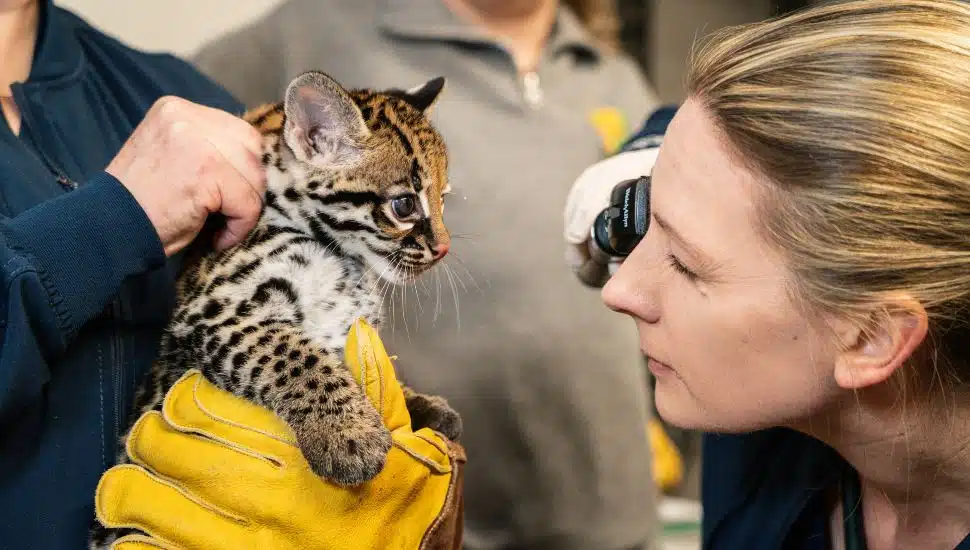
In the weeks that followed, staff monitored the pair remotely, observing key developmental milestones while maintaining a hands-off approach. At eight weeks, the kitten underwent its first health exam and was confirmed to be a healthy female — an especially important development for the SSP, as female ocelots are critical to maintaining population balance.
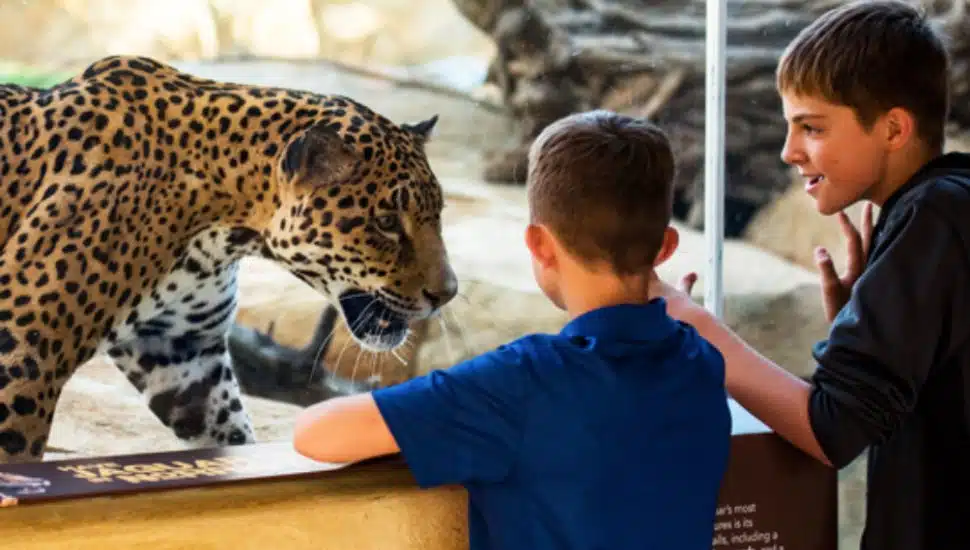
As Rio continues caring for her kitten, gradual introductions to outdoor habitats are planned, guided by her natural instincts and comfort. Visitors may catch a glimpse of the pair along the Trail of the Jaguar in the coming months, though, like all ocelots, they remain elusive. Even if they stay out of sight, keepers will continue sharing updates and moments from their journey on social media.
This birth represents not only a significant achievement for the animal care team but also an important step forward in ongoing conservation efforts to protect this rare and remarkable species.