Bringing a bonded warehouse to Philadelphia could help small businesses more effectively navigate the Trump Administration’s back-and-forth tariff policies, writes Gene Marks for The Philadelphia Inquirer.
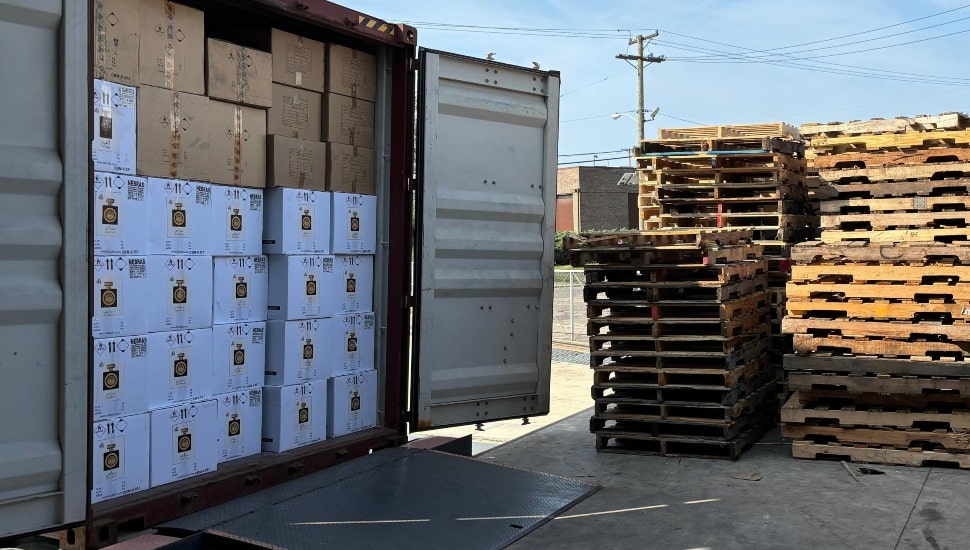
A bonded warehouse would mitigate the impact of tariff costs and avoid increasing prices on customers.
Such a facility must be certified by U.S. Customs. Once goods are received, no tariffs are charged immediately; instead, they are deferred and imposed when the products are ultimately shipped from the warehouse.
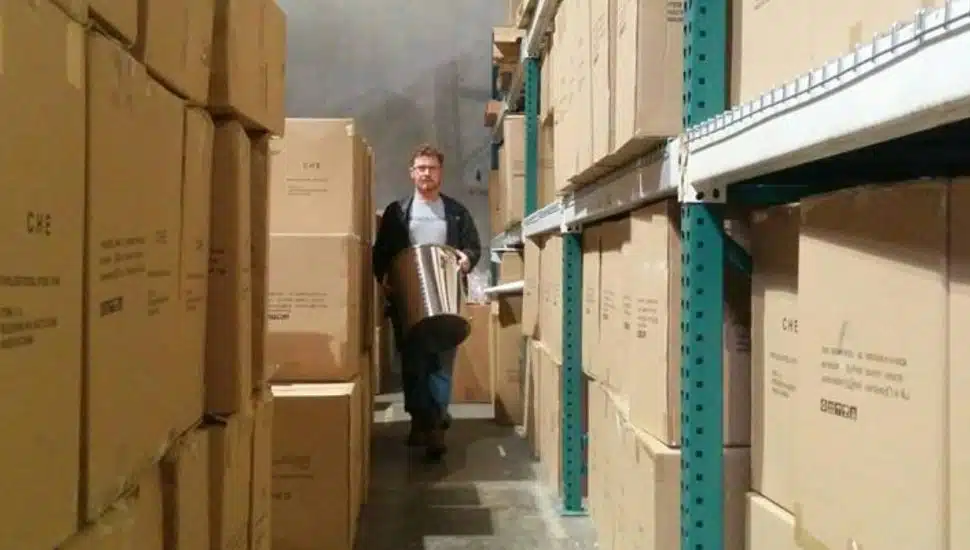
There are already several of these warehouses in the Delaware Valley, including those owned by Snapl Solutions, a Gloucester City, New Jersey-based third-party fulfillment and logistics provider.
Max Levin, Snapl’s managing director, noted that bonded warehouses offer operational flexibility, tariff mitigation, and improved cash flow — all of which are critical for smaller companies looking to “ride out” the tariff turmoil.
“Companies can pull out smaller releases of inventory at a time and pay tariffs at that time — which may be lower — instead of paying higher rates at the time of purchase,” he said. “Many companies are waiting for the dust to settle and are using bonded warehouses as a way to manage their cash flow better.”
Read more about the bonded warehouse concept and it can help small businesses in The Philadelphia Inquirer.
_____