At Abington Friends School, career exploration is less about finding a single answer and more about helping students ask better questions.
Over the course of the 2025-2026 school year, students in grades 10 and 11 spent time in kitchens, laboratories, university classrooms, sports offices, bakeries, and boardrooms — meeting professionals who spoke candidly not only about success, but about uncertainty, persistence, reinvention, and the realities of their work. What emerged from those conversations was often something more personal than a career path: a clearer sense of possibility.
For students in ChefEx, the year offered an inside look at the culinary world from every angle. At Walnut Hill College, students toured professional kitchens and learned firsthand about the intensity and precision of culinary training before trying their hand at making spring rolls and sharing a three-course meal together.
“The culinary world is a rigorous and focus-oriented world,” said sophomore Olivia Giraud, “but as much as it’s strict and precise, it is a very passionate and rewarding experience.”
Other visits focused less on institutions and more on individual journeys. At Banana Nana Pudding in Jenkintown, students heard how founder Denée Bynum built her bakery from selling desserts out of her car into a thriving small business rooted in experimentation, community, and persistence.
Another ChefEx session brought Executive Chef Scott Dalesandro and Assistant General Manager Delroy Smith from the Racquet Club of Philadelphia to campus, where students learned how to prepare fresh fish and couscous while hearing stories from years spent cooking internationally.
“The fish was extremely fresh, and they gave us tips on preparing it and showed us how to cut it,” said sophomore Jona Malik. “Everything about the dish complemented everything so well, and it really reinforced something I’ve known for a while: I want to learn how to cook just like them.”
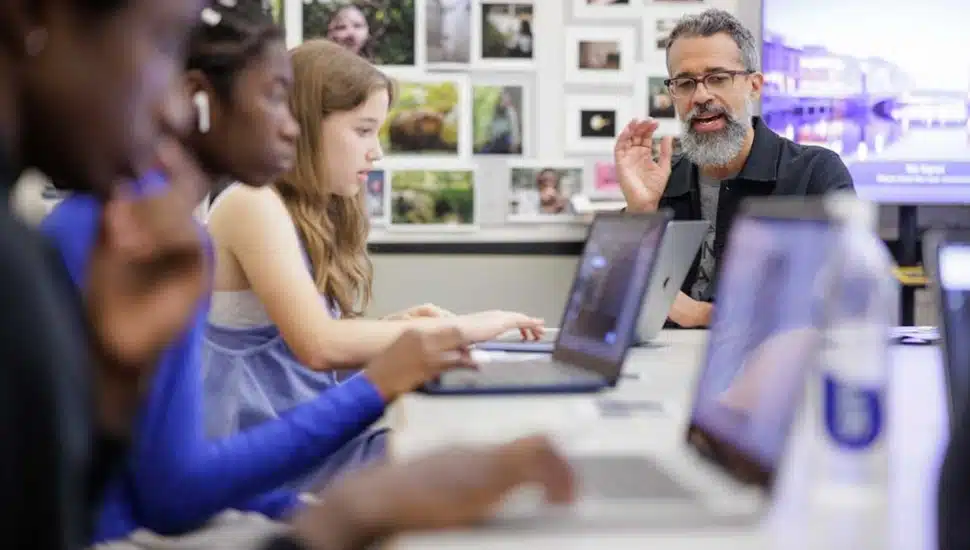
In BizEx, students explored fields that felt both contemporary and rapidly changing — from actuarial science to influencer marketing to artificial intelligence. During one session, students analyzed creators’ audience data and developed influencer campaigns for hypothetical brands. In another, they discussed what it means to start and sustain a business in an AI-driven world.
The conversations often extended beyond technical knowledge. After hearing from accountant and entrepreneur Jarel Daniels, Aleena Pilgrim-Brown reflected on his advice about identity and ambition: “If you want to do something, then do it. Don’t let the barriers of your identity get in the way — use your identity as a superpower and forge your own path.”
“I learned that work ethic is important, and so is passion,” said Pilgrim-Brown. “They are interconnected so if one does not have passion behind the work they are doing on a daily basis, most likely they will not enjoy their workdays. His workdays are very long, and he sits at a deck for sometimes hours looking at numbers. He addressed that this reality may not be for everyone, but it’s for him. And that in itself is beautiful.”
For many students, the most memorable moments came from hearing how nonlinear careers can be. Matt Shade of the Philadelphia Phoenix ultimate team spoke candidly with SportEx students about working his way up through sports management by “putting himself out there, meeting people, and taking chances.”
Another guest speaker, Jeremy Goldberg, brought the SportEx cohort to his office at LeagueApps in New York City for a tour and emphasized how relationships and persistence shaped his own career path long before he found broader professional success.
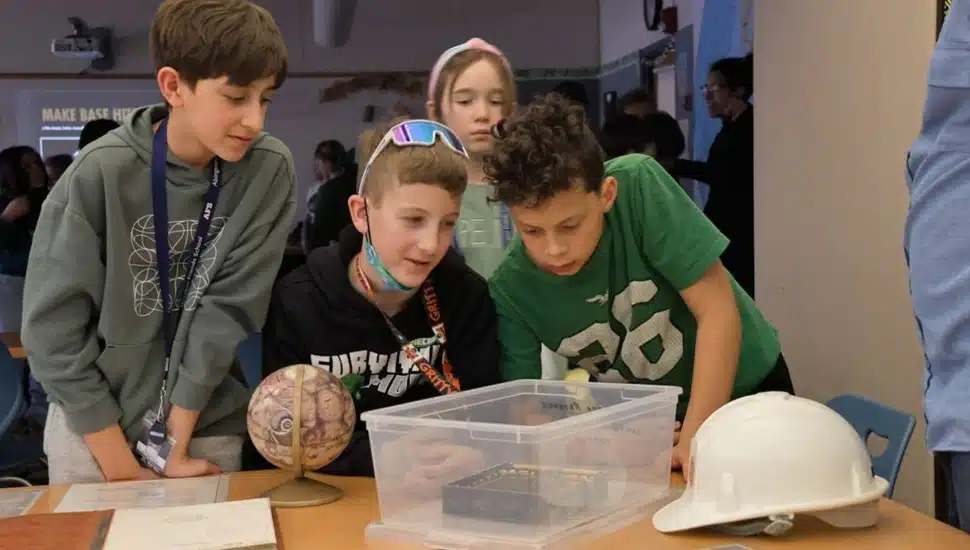
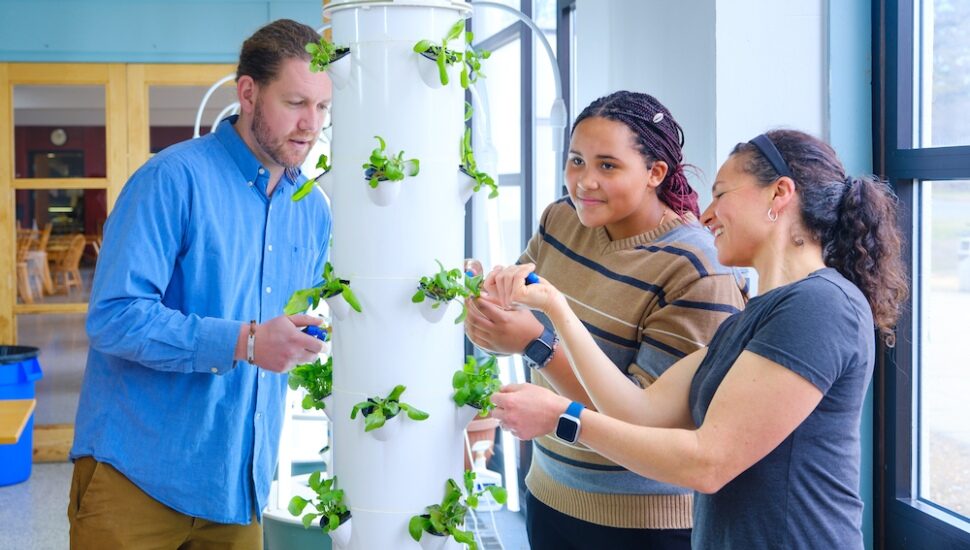
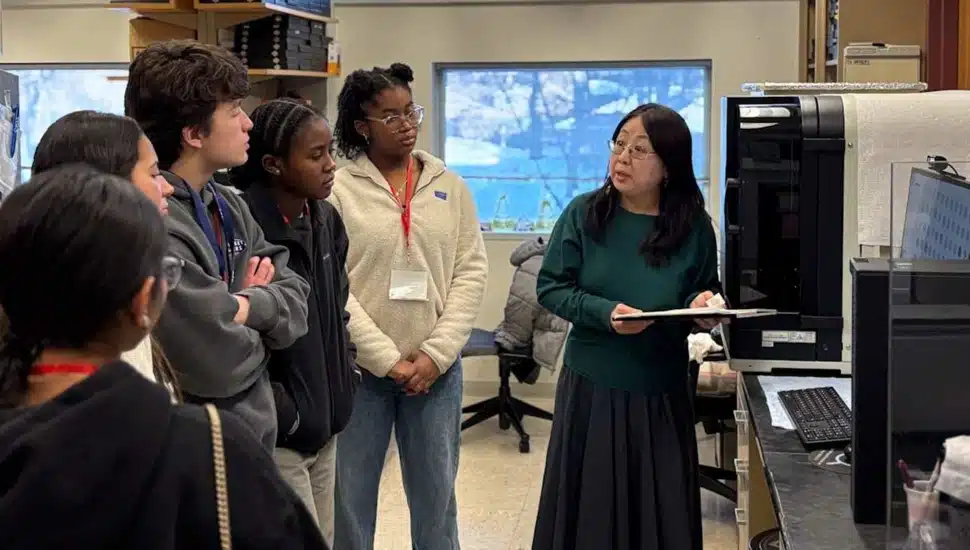
LabEx students spent the year exploring medicine, engineering, genetics, and environmental science through conversations with researchers, physicians, and university faculty. Some sessions introduced entirely new fields; others helped students reconsider possibilities they had already quietly imagined for themselves.
Across every cohort, students returned again and again to the value of hearing people speak honestly about their work — not just the rewards, but the compromises, setbacks, and choices involved in building a life. The programs created space for students to ask practical questions about networking, work-life balance, graduate school, entrepreneurship, burnout, financial stability, and creative fulfillment. They also gave students opportunities to begin building genuine professional relationships of their own.
Before hearing from neurologist Dr. Carla Lopinto, Wyatt Campuzano admitted they had largely ruled out medicine because “it seemed impossible.” But hearing her speak honestly about the realities of becoming a doctor changed that perspective: “It gave me more confidence to keep that career path as an option and to more deeply consider it,” said Campuzano.
Learn more about Abington Friends School and how it cultivates intellectual excellence, fosters strength of character, and supports the growth of each student’s unique talents.