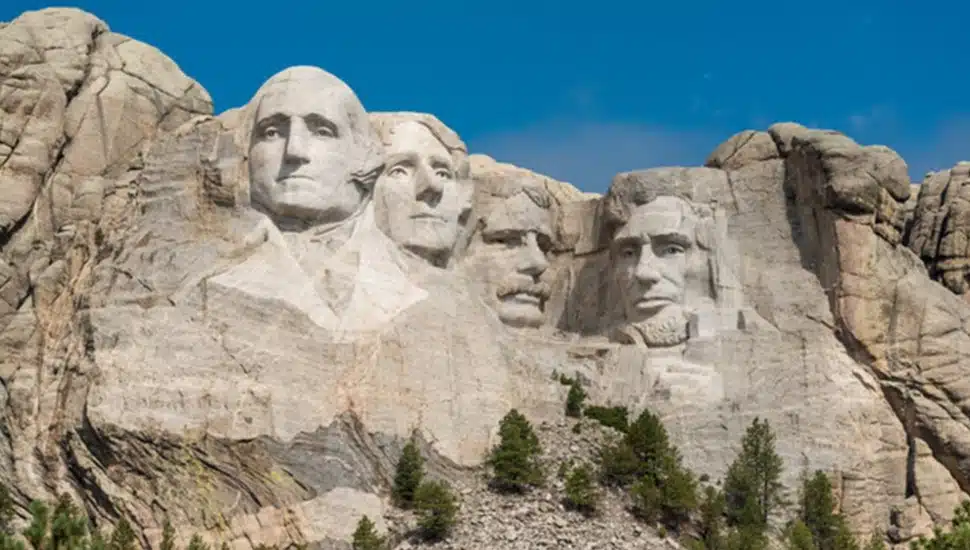

In honor of Presidents’ Day, it is worth taking a closer look at the intersection of the presidency and the legal profession. Many of our nation’s leaders brought legal training and experience to the White House, influencing everything from constitutional interpretation to landmark legislation. Their decisions, judicial appointments, and policy initiatives continue to shape the legal landscape today.
Presidential Impact on the Law
Throughout American history, U.S. presidents have played a significant role in shaping the nation’s legal framework. From influencing constitutional interpretation to appointing members of the judiciary and advancing landmark legislation, the presidency has had a lasting impact on the development of American law.
Presidential leadership has helped define the scope of federal authority, strengthen civil rights protections, and guide the evolution of regulatory frameworks that affect individuals, businesses, and communities alike. While each administration brings a unique perspective, the office itself has consistently served as a driving force in shaping the legal landscape.
Presidents Who Were Attorneys
The legal profession has long served as a pathway to public service. In fact, many U.S. presidents began their careers as lawyers, bringing legal training and analytical discipline to the nation’s highest office.
From early leaders like John Adams and Thomas Jefferson to more recent presidents such as Bill Clinton and Barack Obama, the list of attorney-presidents is extensive.
Notable Presidents with Legal Backgrounds Include:
John Adams, Thomas Jefferson, James Monroe, John Quincy Adams, Martin Van Buren, John Tyler, James K. Polk, Millard Fillmore, Franklin Pierce, James Buchanan, Abraham Lincoln, Rutherford B. Hayes, Benjamin Harrison, Grover Cleveland, William Howard Taft, Woodrow Wilson, Calvin Coolidge, Herbert Hoover, Franklin D. Roosevelt, Richard Nixon, Gerald Ford, Bill Clinton, and Barack Obama.
Their legal training has shaped not only their approach to governance, but also the evolution of American law.
Abraham Lincoln — Lawyer First
Among the many presidents with legal backgrounds, Abraham Lincoln stands out as one of the most respected attorneys in American history.
Before taking office, Lincoln practiced law for more than two decades, handling thousands of cases across Illinois. Known for his integrity and practical reasoning, he earned the nickname “Honest Abe.”
One of his most notable cases — the defense of Duff Armstrong — demonstrates both his skill and courtroom presence. In that case, Lincoln challenged a key witness’s testimony by using an almanac to show that the witness could not have clearly seen the alleged crime under the moonlight. While that moment became legendary, Lincoln’s success was ultimately the result of a broader strategy, including witness testimony, medical evidence, and a compelling appeal to the jury.
The case resulted in an acquittal and helped solidify Lincoln’s reputation as a formidable trial attorney — long before he became one of the nation’s most consequential presidents.
Presidents’ Day serves as a reminder that the law and leadership are deeply intertwined — and that the skills developed in the courtroom often carry far beyond it. At Dischell Bartle Dooley, our attorneys are dedicated to helping clients navigate complex legal issues with clarity and confidence. For more information or to discuss your legal needs, please visit Dischell Bartle Dooley or call our office at 215-362-2474.