Given the charged political environment that we are enduring, I am hopeful that lawmakers will come to a consensus in support of a key component of Gov. Josh Shapiro’s 2025-26 budget proposal: the need to protect older Pennsylvanians who rely on programs funded by our state lottery.
Our state lottery is the only one in the nation that designates all its proceeds to programs that benefit older residents. There is no question that programs like Meals on Wheels, access to free or affordable prescription drugs, and financial support for property taxes and rent are appropriate investments of public dollars.
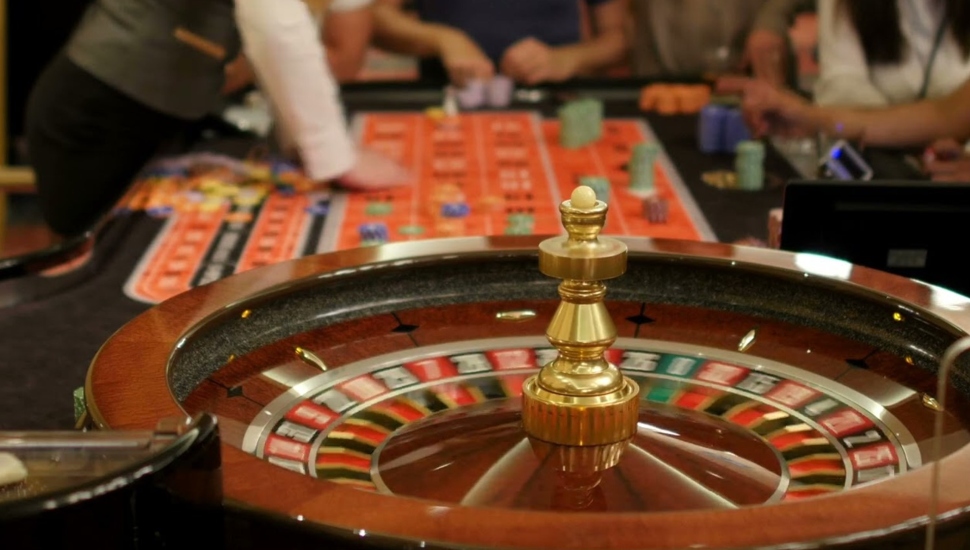
Gov. Shapiro has proposed to tax and regulate skill games to protect lottery programs. There are an estimated 70,000 of these unregulated and untaxed machines operating in the state right now. By comparison, there are roughly 25,000 slot machines at the state’s licensed casinos, which are taxed at 54 percent.
The state estimates that these games have led to an estimated $200 million loss for the Pennsylvania Lottery over the past five years, directly threatening the programs that seniors depend on. As the Governor noted, skill games are “punishing seniors” because every $1 pumped into an unregulated skill game undermines the critical services the Pennsylvania Lottery funds.
The Governor has proposed that skill games be regulated by the Pennsylvania Gaming Control Board (PGCB), which already regulates casino gaming, including slot machines and video gaming terminals (VGT) that are legally operated at truck stops. The PGCB is the logical agency to regulate these machines.
Gross revenue from skill games would be taxed at 52 percent, mirroring the tax rate for VGTs, with 47 percent going to the General Fund and five percent dedicated to the Lottery Fund, which would help fill the funding hole that skill games have created.
The proposal could generate up to $8 billion in new state revenue over five years, according to the budget estimate.
Additionally, the Governor’s budget includes an expansion of the Property Tax/Rent Rebate (PT/RR). If approved, this expansion would raise the maximum rebate from $650 to $1,000, increase income eligibility for both renters and homeowners, and include a cost-of-living adjustment.
These adjustments would allow 175,000 additional Pennsylvanians to benefit from the program, while 86 percent of the 430,000 claimants who already qualify would see their rebates increase.
In short: more Pennsylvanians will be able to live at home and in their communities longer.
The Governor’s proposal would authorize 30,000 total combined video gaming terminals and skill game machines in establishments in 2025-26, and then incrementally add an additional 10,000 machines for a total of 40,000 by 2029-30. Each establishment would be limited to a maximum of five machines.
This is a common-sense solution to this divisive issue that includes a fair tax rate, appropriate oversight by the PGCB, and limits on machines in locations to prevent mini-casinos popping up in our communities.
Law enforcement agencies have already raised concerns regarding the proliferation of skill games. In addition, skill games in corner stores and pizza parlors, among other locations, do not have any measures in place to prevent children from gambling. Given the number of skill games out there right now, it is obvious that there is a market for this type of gaming. It’s time for a compromise.
I encourage readers to contact their lawmakers and urge them to support Gov. Shapiro’s proposal, which prioritizes older Pennsylvanians and safeguards the lottery-funded programs that they depend on.
_______________
James Howell is Administrator, AFSCME Council 13, which represents 65,000 public employees in Pennsylvania.