As temperatures rise, many of us enjoy longer days, sunshine, and more time outdoors. Many of us welcome these changes, but what many do not realize is that the changing seasons can also affect your drinking water.
Every time you open your tap, you trust Aqua Pennsylvania to deliver safe, high-quality drinking water, and that’s a responsibility my team and I take very seriously. As the Director of Water Quality at Aqua Pennsylvania, I lead a team of scientists in our Montgomery County laboratory – the only utility-owned and operated lab certified for PFAS testing in the state of Pennsylvania. We work around the clock to make sure your drinking water not only meets state and federal safety standards but also tastes fresh.
Yes, we’re scientists who love data, numbers, and lab work, but we’re also parents, neighbors, and water drinkers — just like you. We want the same clean, great-tasting drinking water in our homes that you expect in yours. You can see us in action and learn more about our treatment process in this recent CBS News Philadelphia story.
We know changes in seasons might lead you to notice a difference in your drinking water, especially during the warmer months. Let me explain why and what you can do if something doesn’t seem quite right.
From Source to Tap: How We Deliver Clean Water
Your drinking water starts its journey in nature, including streams, creeks, lakes, and rivers. From there, it comes to our treatment plants and labs, where it goes through several carefully monitored step,s including filtration and disinfection to ensure it’s clean and safe when it reaches your home.
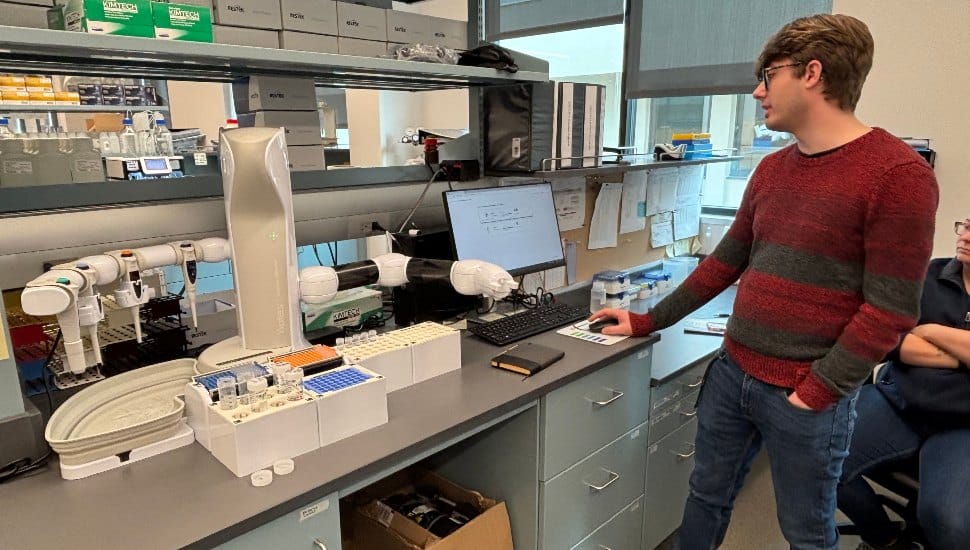
We regularly test water quality at multiple points throughout the treatment process, and our lab is equipped with advanced tools — including one very precise robot —to make that testing faster and more accurate.
Why Your Water Might Seem Different in the Spring and Summer
If your water smells earthy, musty in the late spring or summer, you may be noticing a legitimate difference in your water. Warmer temperatures and increased sunlight can trigger algae growth in natural water sources like lakes and streams. While we remove the algae during treatment, they can release harmless compounds that affect taste and odor, even in extremely tiny amounts. Depending on your sensitivity level, you may notice these changes differently from others.
Sometimes, we may also change or blend water sources based on seasonal needs. In periods of drought, for example, we may shift our water sources to ensure a reliable supply. This can slightly alter the taste of the water. Increased summer demand, including increased recreational activity and garden upkeep, can also change how water flows through our system, occasionally making these natural variations more noticeable.
The good news is that your water remains safe to drink. Even if you notice slight changes in the natural flavor of your water, these seasonal shifts are normal and don’t impact drinking water quality.
Sometimes the Issue Starts at Home
In some cases, a change in your drinking water can be caused by household plumbing or in-home water systems. A sulfur-like smell in hot water may point to an issue with your water heater, which might need servicing or replacement. If you use a water softener or filtration system, routine maintenance is key to avoiding buildup that can affect water quality. Running your tap for a minute or flushing your system can reduce smells.
Testing for “Forever Chemicals”
You’ve likely heard of PFAS, polyfluoroalkyl substances, often called “forever chemicals” that can be found in everyday items. We regularly test for PFAS, and our lab uses a robotic system that speeds up the testing process and improves precision.
This robot handles water samples with exceptional accuracy, allowing us to cut testing time from days to just 24 hours. That means more samples, faster results, and better protection for you.
We’re able to detect PFAS compounds down to parts per trillion — the equivalent of finding one drop of water in 20 Olympic-sized swimming pools. In 2024, our scientists ran 4,000 PFAS water samples — double what we tested in 2023. Our investment in advanced technology and aggressive treatment has helped us remain in full compliance with Pennsylvania’s water quality standards, and we are on schedule to meet U.S. Environmental Protection Agency regulations ahead of the 2029 deadline.
And we taste-test, too. As you saw in the CBS News Philadelphia story above, our technology is guided by our human touch; think of our scientists as sommeliers for water. If we’re not afraid to drink our water after we test its safety and quality every day, you shouldn’t be either.
Noticing Something Unusual? Tell Us
Ensuring safe water and protecting public health and the environment are at the heart of everything we do at Aqua – and we continue our mission to sustain life’s most essential resources to serve you and your families.
If you notice a change in your water, we want to hear about it. Visit our website or call 877.987.2782. We track these calls closely so we can address problems that might occur and improve the quality of the water delivered to your home.
Learn more at Aqua.